01
How quickly can someone look at a Sub-Zero in Denver?
Cherry Creek, Washington Park, Highland and Capitol Hill are our core route, so a call placed in the morning usually gets a slot that afternoon or the next morning. Technicians work 8:00 am – 8:00 pm, seven days, and the phone is answered 24/7 — a unit that fails at midnight can be booked before the crew starts.
02
The fresh food side is warm but the freezer is still cold. Is that the compressor?
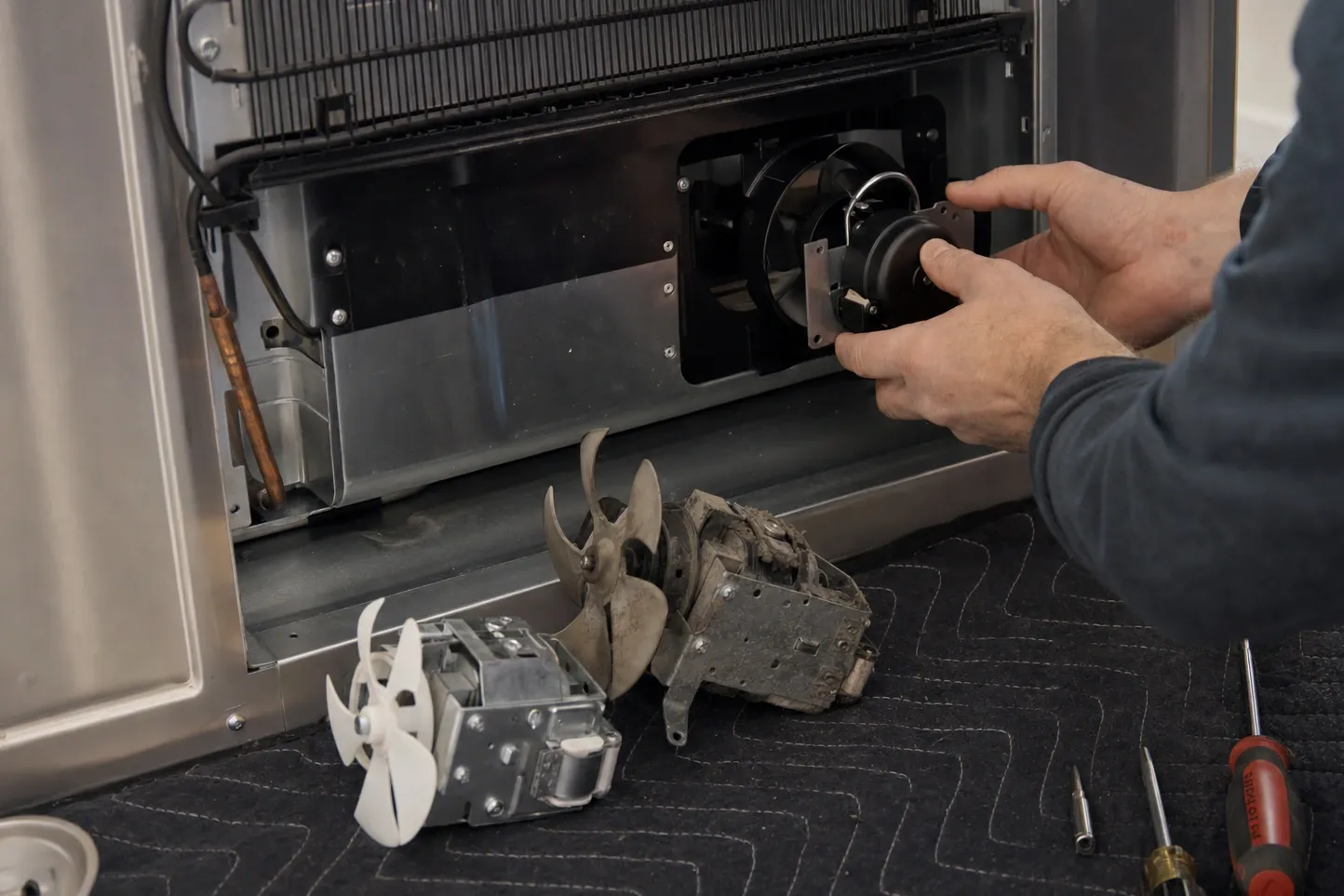
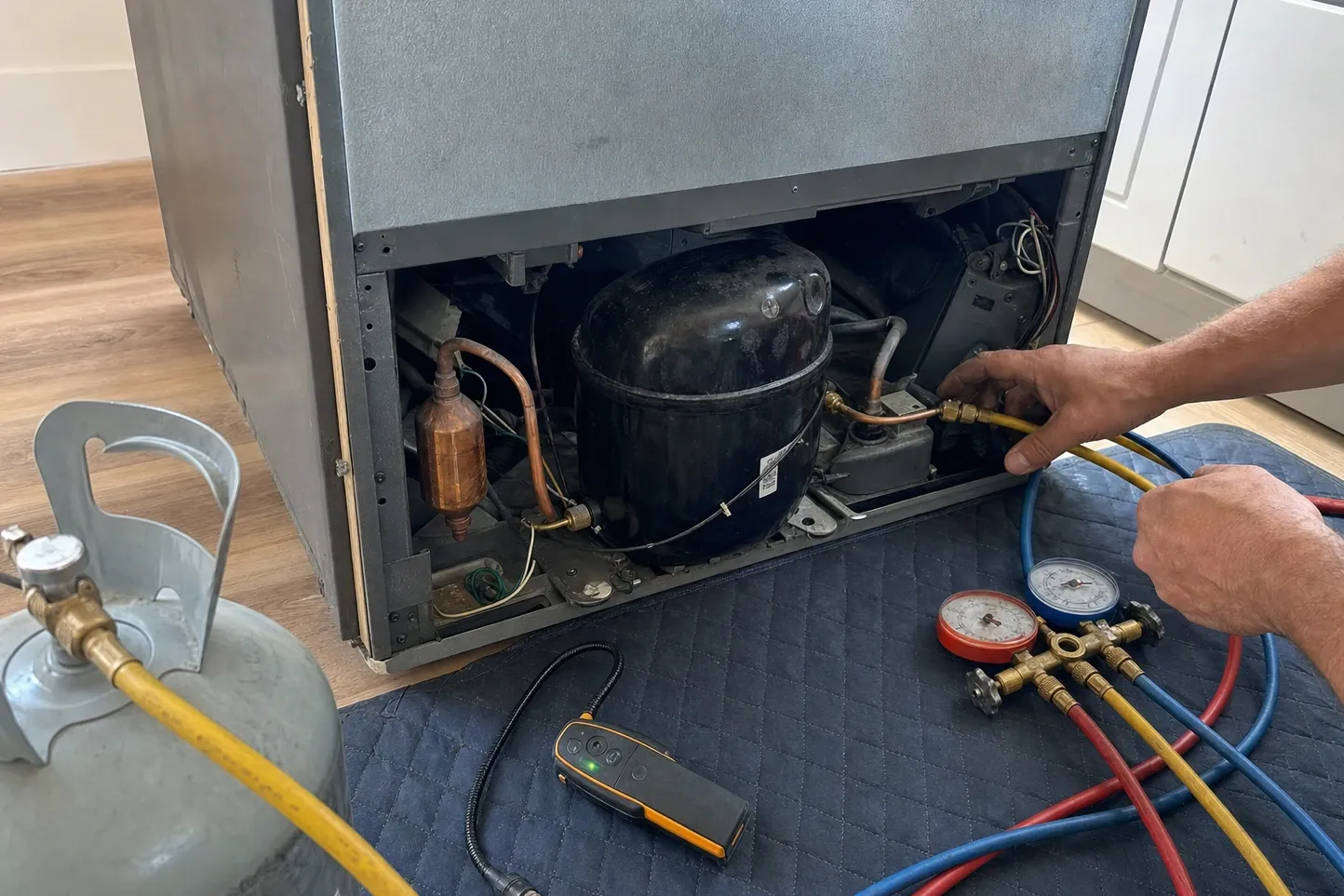
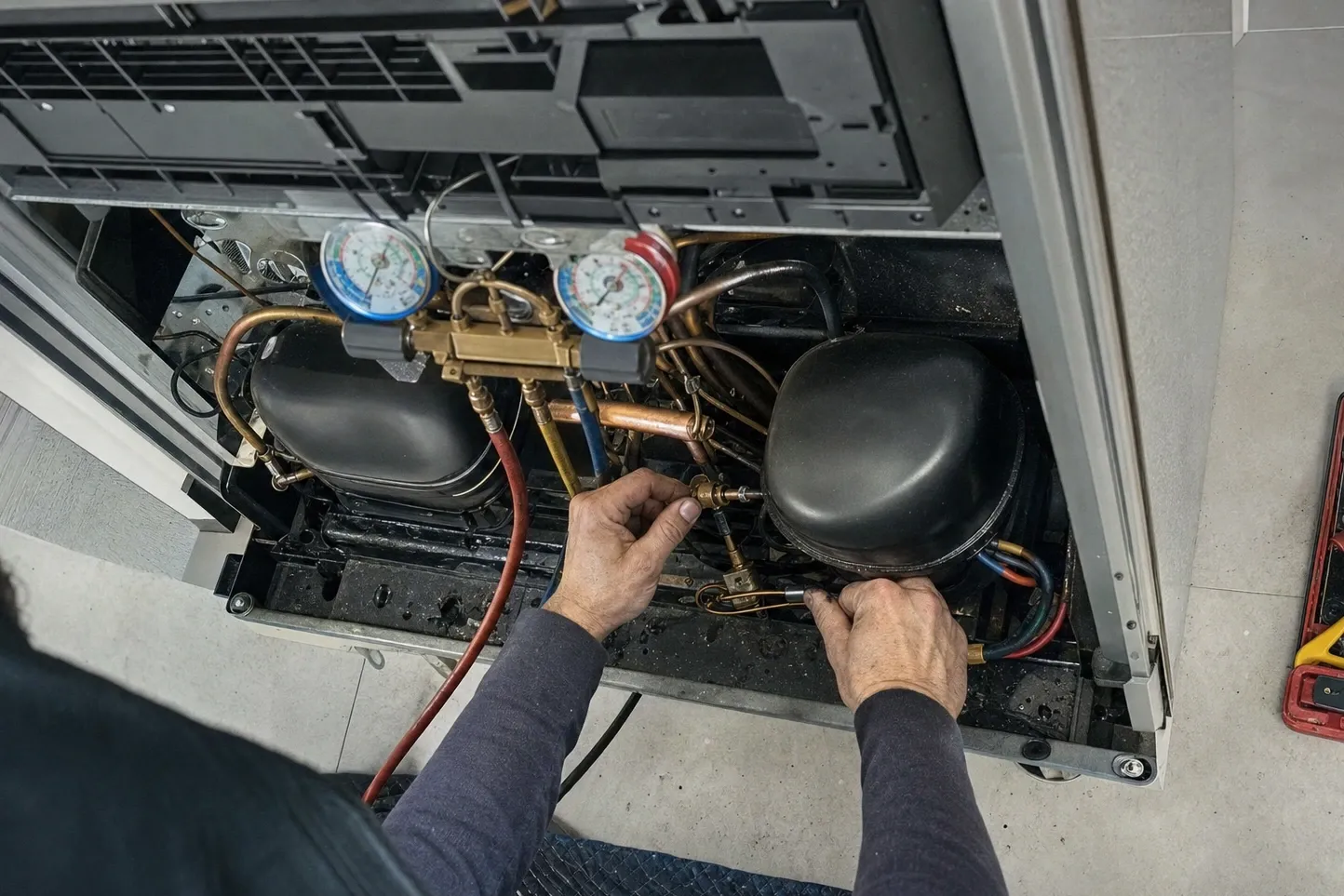
Usually not. A built-in Sub-Zero runs two separate cooling circuits, and one side warming while the other holds points at that side only: its evaporator fan, a defrost fault on that circuit, or a damper stuck shut. Those are parts-level repairs. A dead compressor takes both sides with it on a single-system unit, and neither side recovers.
03
Does Denver air actually change how these units behave?
It does, in two ways we see constantly. Dry air masks a drain problem until meltwater shows up under the drawers rather than as frost, and spring wind plus cottonwood fluff loads a condenser faster here than in a coastal city. A mile of altitude does not bother the sealed system, but a condenser that cannot breathe raises head pressure and shortens compressor life.
04
What does the visit cost, and what happens to that fee?
A $89 service call covers the trip and the full diagnosis, and it is credited against the repair if you approve the work. You get the price for the repair itself before anything is dismantled, so nothing is opened up on an unknown number.
05
Do you work on integrated columns and panel-ready installations?
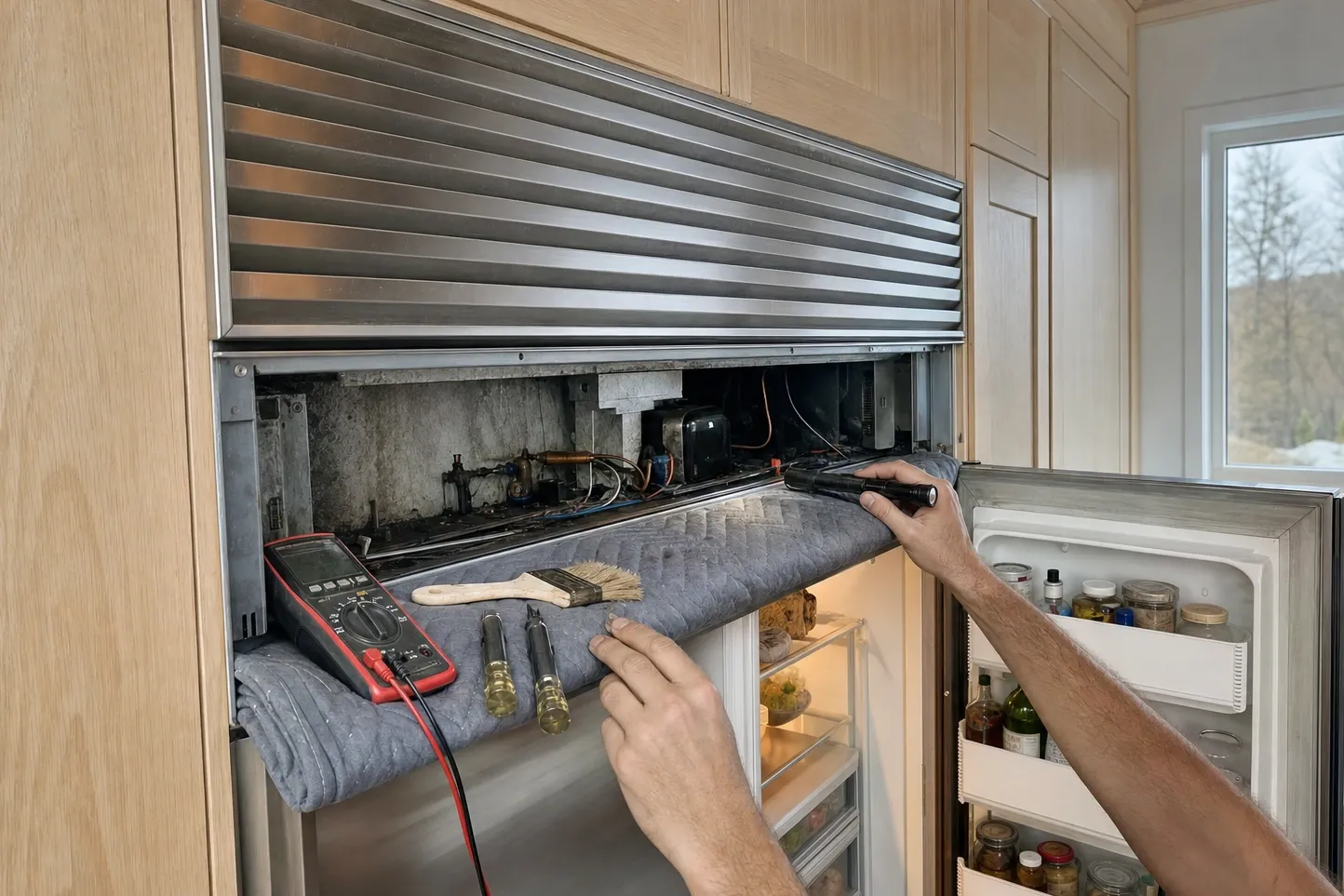
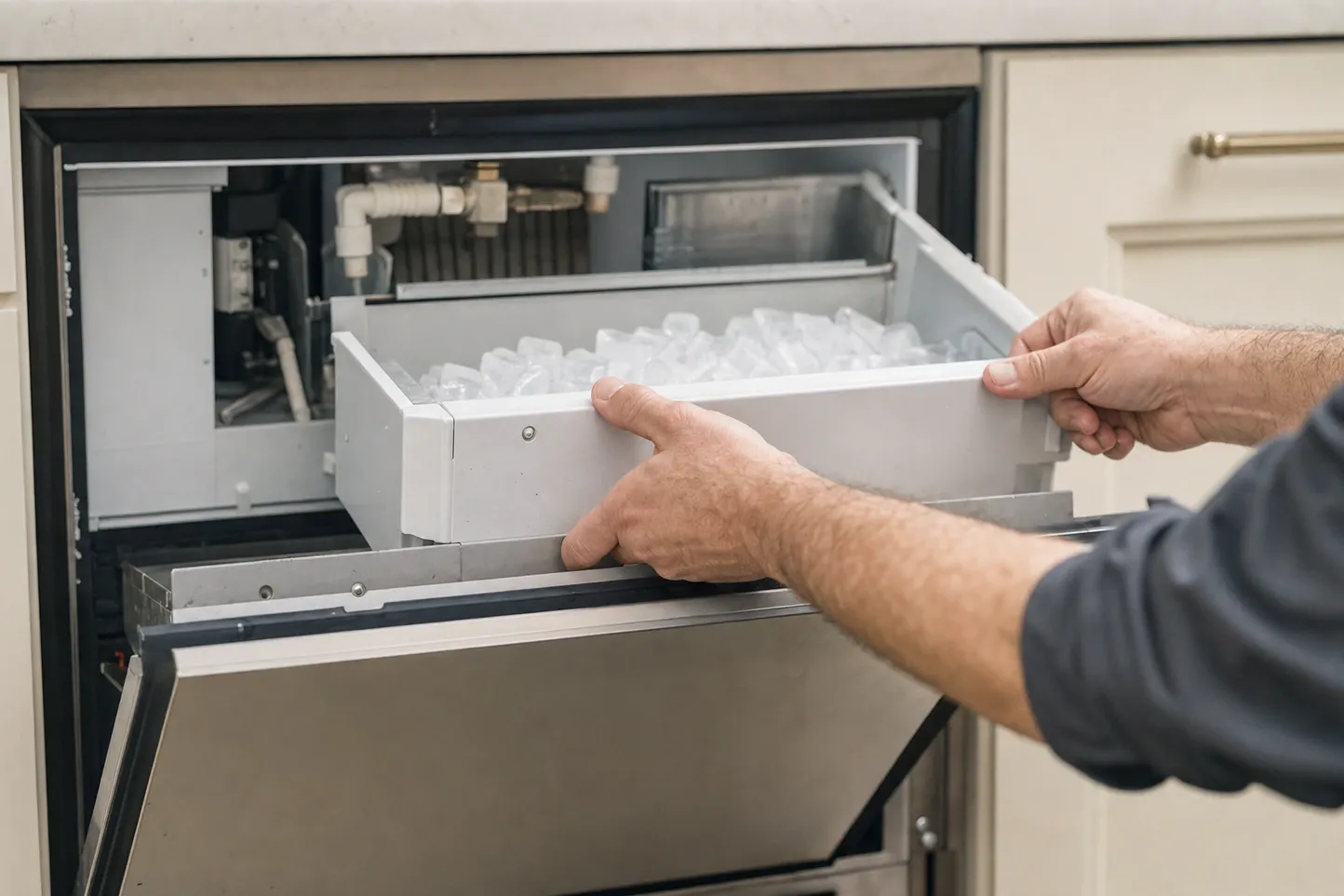
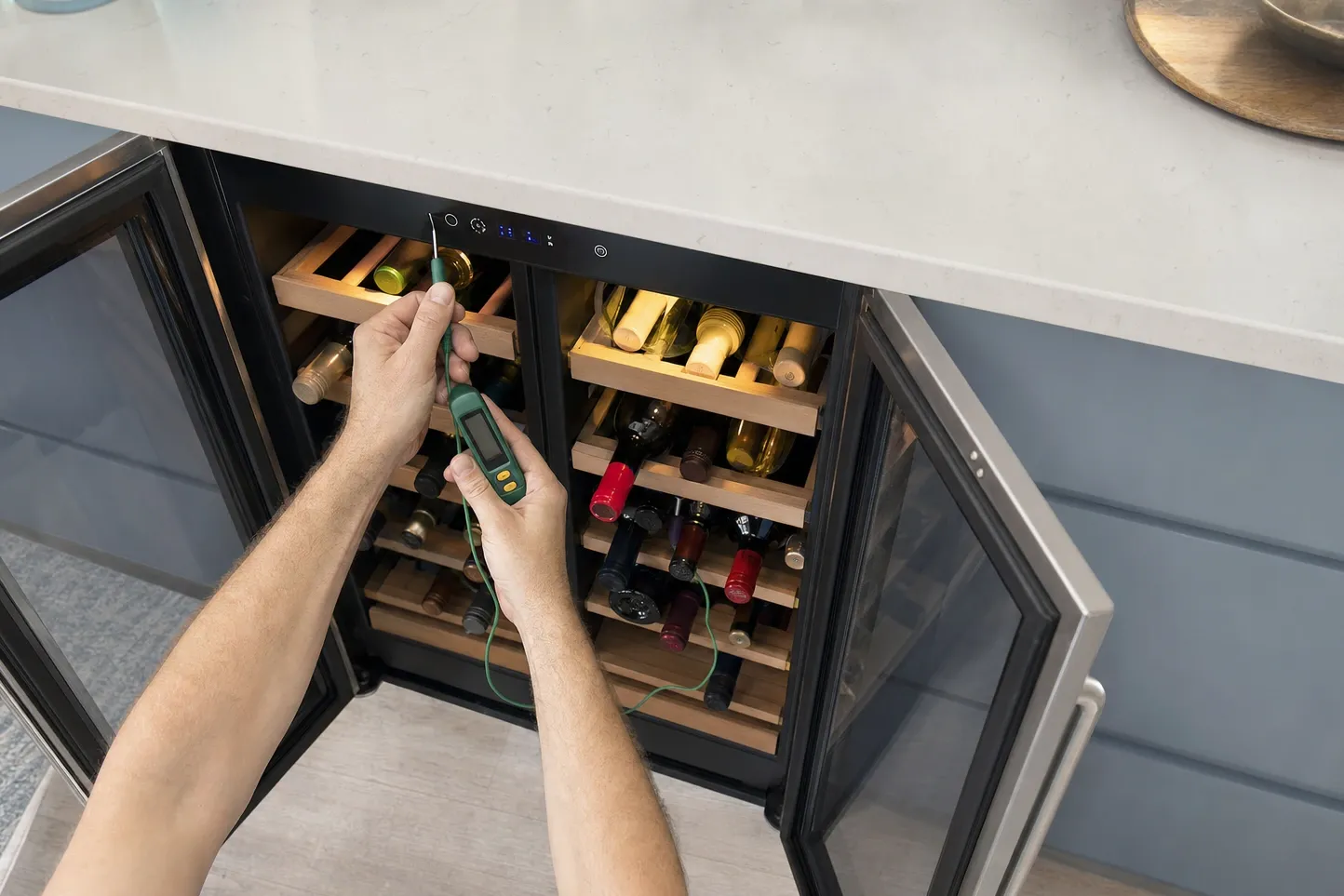
Yes — 600 and 700 series built-ins, integrated refrigerator and freezer columns, undercounter units, clear-ice makers and wine storage. Panel-ready cabinets come out and go back without marking the joinery, which matters in the tight galley kitchens and third-floor walkups around Capitol Hill.
06
Which parts are on the van and which have to be ordered?
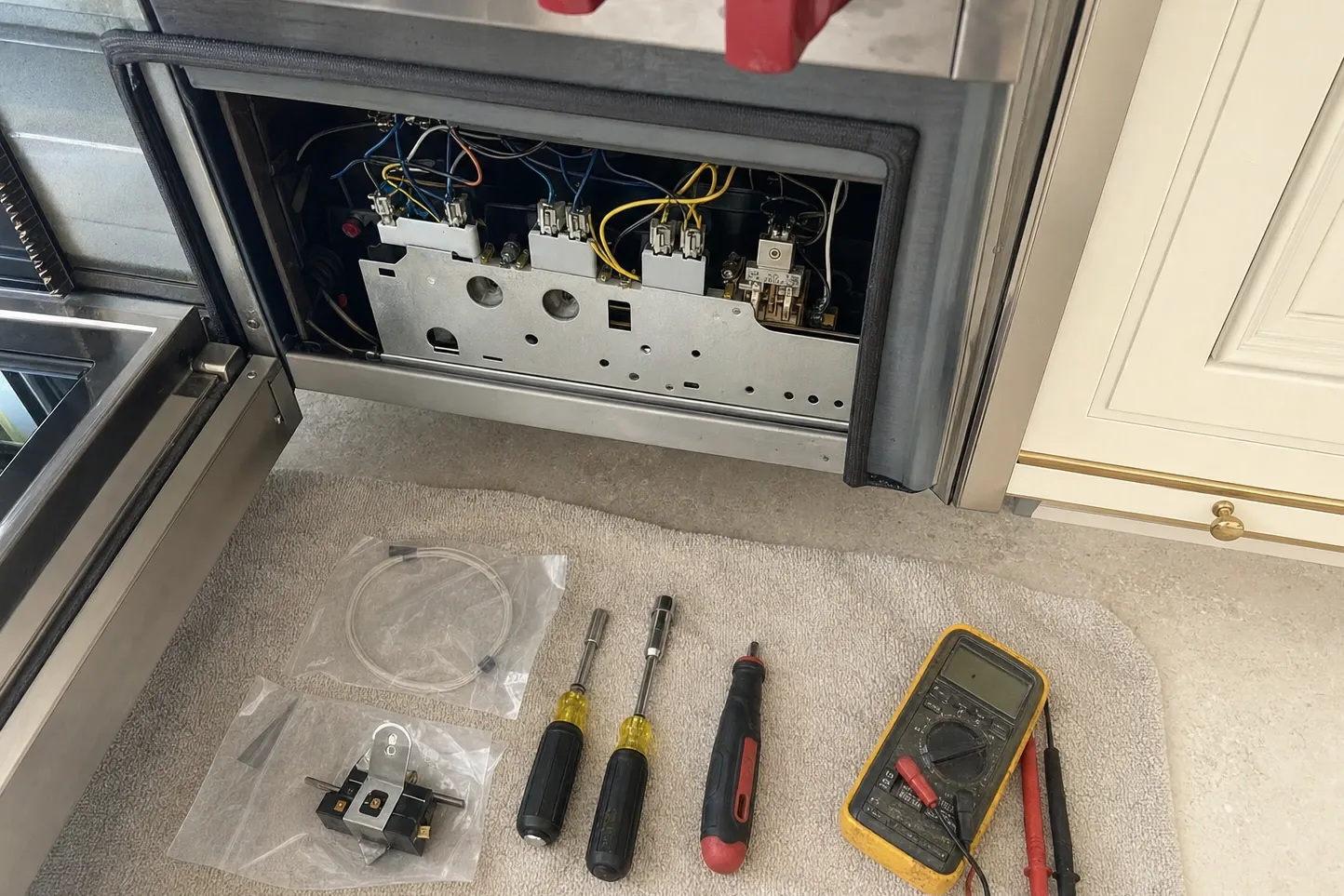
Evaporator and condenser fan motors, defrost heaters, thermistors, dampers, door gaskets, water inlet valves and the control boards for the common model families ride with the technician. Sealed-system components and cosmetic panels are ordered against your model and serial number, because guessing a part on a built-in wastes a second visit.